Who REALLY owns your home?
Bob Leonard Law Group, PLLC
October 11, 2026
Who REALLY owns your home?

It happens ALL of the time. We get a call from someone whose spouse has just died without a Will. They had a home that they purchased during the marriage. Maybe they have a lot of other assets, or maybe the home is pretty much all there is. One other thing, the spouse had one or more children from a prior marriage.
The surviving spouse just wants to know one thing: “How do I get the house in my own name?”
Unfortunately, he or she is in for a rude awakening.
If there is no Will, then the couple’s property passes according to the law set out in the Texas Estates Code. That law provides, among other things, that if the deceased spouse had any children with someone who is not the surviving spouse, then his or her one-half of the community property goes to the deceased spouse’s children, including the children that he or she had with the surviving spouse and those the decedent had with another spouse. If the couple had no children of their own, then the decedent’s children get half of his community property. This applies to all of the community property, not just the house; so his children get half of their community bank accounts and any community investments that are in the estate.
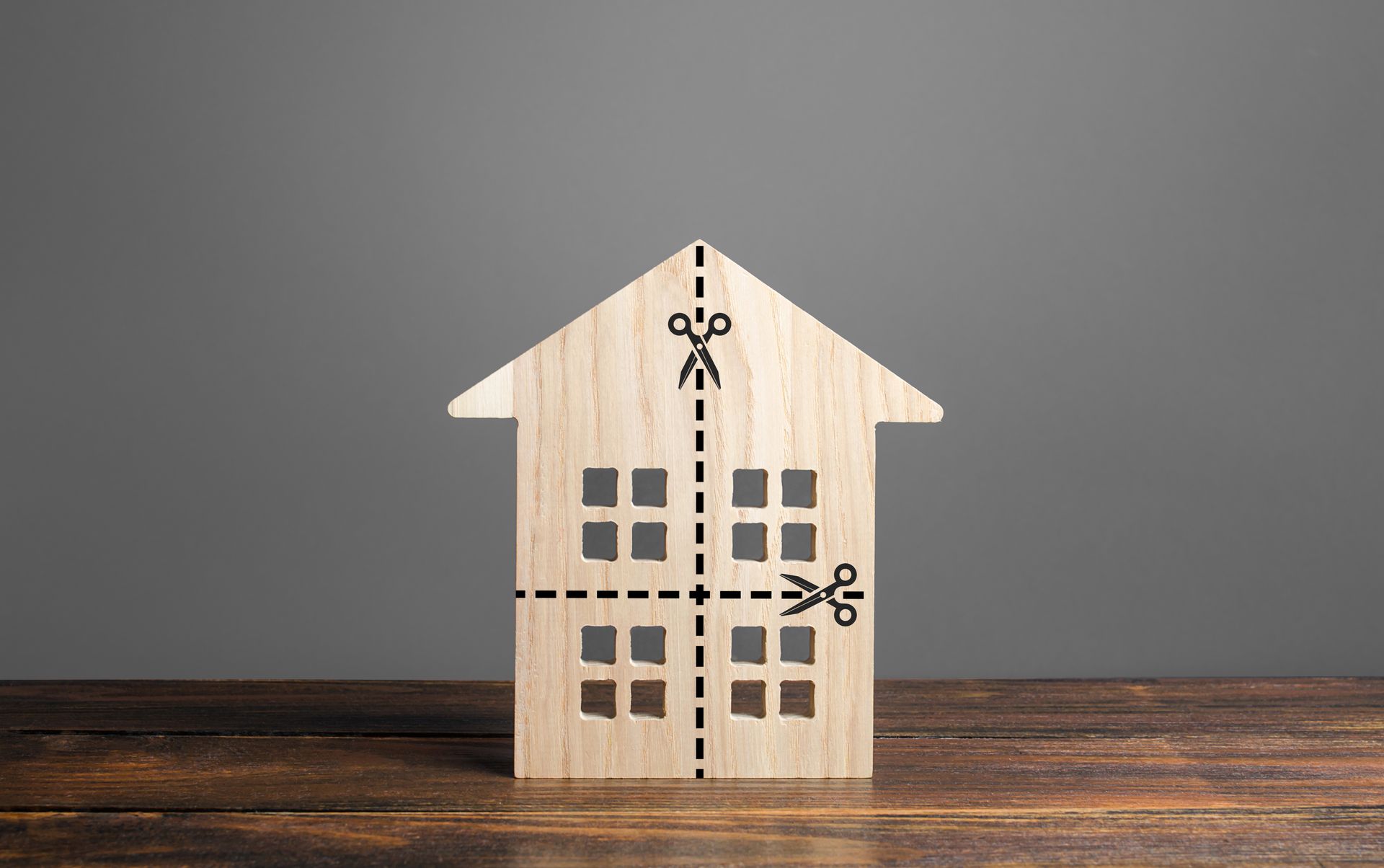
The surviving spouse only owns one-half of the house!!!
The same rules apply to other community property. The kids get the decedent’s half of all community bank accounts, vehicles, investment accounts, etc. The surviving spouse keeps his or her own half. On death, there is a presumption that all property is community property. There’s $300,000 in an investment account that was earned during the marriage? The kids get half.
If all of the decedent’s children are also children of the surviving spouse, then the surviving spouse gets the deceased spouse’s share of the community property.
There are other rules for the distribution of separate property (the kids get most of that, also). For example, his kids will get two-thirds of all separate personal property (everything except real estate). The children also get all of the decedent’s separate real estate, subject to a one-third life estate retained by the spouse and possibly subject to the spouse’s homestead rights. After the spouse is gone, the kids get it all.
This is not uncommon; we see it all the time. And we are the ones who have to deliver the bad news. That is never fun.
Now, what do you do about it? Easy: if the person has a Will, then their property goes according to the Will. That way, if mom wants to leave everything to the kids she can, but if she wants to leave it all (or some of it) to her husband, then she can do that, also.
And, equally important, the Will must be probated. This is the other thing that we see frequently. A spouse leaves a Will that gives everything to the surviving spouse, but the Will is never probated. Generally, only the original of the Will can be probated, and the Will generally must be probated within four years of death.
Assume that the wife has died. Five years after her death, the husband tries to sell the property. The title company tells him that it is still in his name and his wife’s name. Imagine his disappointment when he learns that it is too late to probate the Will and (to use the above example) the wife’s kids from a previous marriage are his “partners” in the house.
So, to sum it up, these problems would have been resolved if the couple each had Wills AND after the death of the first one, his or her Will was properly probated.
Do you think that can’t happen? It does. Often.
If you own a home and you don't have a Will, call our experienced Probate team today.